Instead of our usual “Person of the Week,” post this week, let’s do something a little different.
This past weekend, Mr. Punch went out for his first field trip since coming to the U.S. Accompanied by my parents and Bertie (and me), Punch visited Williams Square in Las Colinas (Irving, Texas--near Dallas). A good time was had by all. Punch saw giant bronze mustangs, and a lot of people wondered why we were walking around with a puppet and a dog in a stroller. Just a normal Sunday for us...
Monday, October 3, 2011
Treat of the week: Scrumptious Rugelach and Strawberry Lemonade Ice Cream
Rugelach are traditional Jewish crescent-shaped pastries. The Yiddish name has been translated in various ways to mean, “Little Twists” or “Little Corners” while some contend that the name comes from the Hebrew word, “Rugel” meaning “Royal.” Regardless of the translation of the name, one thing is certain, they are delicious—tender and moist with just enough sugar and spice.
My mother made two batches of rugelach this weekend. We’re not Jewish, but having originally come from the Northeastern U.S., we have an appreciation for the Jewish pastries which we have a hard time finding in the South. My mother’s recipe begins with a cream cheese dough which is rolled into the traditional crescent shape.
One batch is filled with currants, walnuts and apricot jam along with the usual brown sugar and cinnamon. This is the more traditional rugelach. However, just to keep things exciting, my mother made a second batch filled with mini chocolate chips, pecans and seedless raspberry jam. Both are wonderful—soft and spicy with the perfect amount of crunch and chew from the fillings.
Along with the rugelach, we were treated to homemade ice cream. This week’s ice cream was a new recipe for all of us, and one which I hope we’ll be having again soon. This Strawberry Lemonade ice cream is made with heavy cream, sugar, lemon zest, egg yolks, lemon juice and Limoncello. Fresh strawberries were cut into pieces and coated with vanilla sugar, then quickly doused with vodka to prevent them from freezing solid in the ice cream.
Lemon and strawberry are always a brilliant combination of flavors, but then, when eaten with the tender, rugelach, all of the tastes blended perfectly. Served with a nice cup of tea, this makes for the perfect dessert to transition from summer to autumn.
My mother made two batches of rugelach this weekend. We’re not Jewish, but having originally come from the Northeastern U.S., we have an appreciation for the Jewish pastries which we have a hard time finding in the South. My mother’s recipe begins with a cream cheese dough which is rolled into the traditional crescent shape.
One batch is filled with currants, walnuts and apricot jam along with the usual brown sugar and cinnamon. This is the more traditional rugelach. However, just to keep things exciting, my mother made a second batch filled with mini chocolate chips, pecans and seedless raspberry jam. Both are wonderful—soft and spicy with the perfect amount of crunch and chew from the fillings.
Along with the rugelach, we were treated to homemade ice cream. This week’s ice cream was a new recipe for all of us, and one which I hope we’ll be having again soon. This Strawberry Lemonade ice cream is made with heavy cream, sugar, lemon zest, egg yolks, lemon juice and Limoncello. Fresh strawberries were cut into pieces and coated with vanilla sugar, then quickly doused with vodka to prevent them from freezing solid in the ice cream.
Lemon and strawberry are always a brilliant combination of flavors, but then, when eaten with the tender, rugelach, all of the tastes blended perfectly. Served with a nice cup of tea, this makes for the perfect dessert to transition from summer to autumn.
Unusual Artifacts: A Silver Cow Creamer, 1758
![]() |
| Creamer English, 1758 Sterling Silver The Victoria & Albert Museum |
Creamers such as this came about as the British developed a taste for adding milk or cream to their tea in the mid Eighteenth century. This was considered to be a better alternative to drinking weak tea in the Chinese style. By the late Eighteenth Century, creamers had become an essential part of the tea service.
Taking a design cue from the literal, creamers were often made in the form of cows during this period. Most of the sterling silver examples from the Eighteenth Century bear the mark of John Schuppe, and were made between 1753 and 1773. This example was made in 1758.
Most believe that Schuppe was from the Netherlands where such creamers in the shape of a cow had already been quite fashionable for decades. All of Schuppe’s creamers follow the same basic design of a looped tail and a saddle-shaped lid with a finial in the form of a fly. Cream or milk is poured from the cow’s mouth.
These items achieves an enduring popularity and many are still produced by various manufacturers and in a variety of media.
Now, I must note, that in Twentieth-Century literature, Bertie Wooster (for whom my Bertie is named), the hero of the “Jeeves and Wooster” tales by P.G. Wodehouse, found such cow creamers quite disgusting and they figured prominently in one of Bertie’s adventures in particular. My Bertie Wooster, on the other hand, likes any vessel which is designed to hold cream and has no objection to them.
Punch’s Cousin, Chapter 357
“Arthur?” Barbara Allen called out. “Can you, please, send someone up to tend to the grate? The fire is too warm.”
Charles looked up from the spot upon which he’d been bound by the fire at the Place Congo. “Arthur is dead, Barbara. Look there. You can see his bones in the fire.”
“You lazy boy.” Barbara chuckled absently. “It’s not as though I’m asking you to do it. I know that you’re a valet now. I’m not asking you to soil your gloves at the grate. I think Mother has spoiled you. You’ve gotten too big for your breeches.”
“Barbara, you must listen to me,” Charles croaked.
“Such impertinence. Very well, I’ll take care of it myself.” Barbara grumbled. “Oh. But, I can’t move. I must be very tired. Will you at least ring the bell for me?”
“Arthur is dead. We’re not at Fallbridge Hall. We’re in America. In New Orleans and not in a very friendly place. There’s no bell to ring.”
“I’m beginning to get angry.” Babrara spat.
“Leave her to her fantasies.” Ulrika clucked her tongue from nearby. “Boy, she’s probably the happiest of all of us at present. Pity. I wanted her to suffer.”
“You don’t think she’s suffering?” Charles coughed.
“Does she look as if she is?” Ulrika chuckled. “While the rest of us are all to well aware of what’s become of us, she’s blissfully under the impression that she’s still a lady in a great house. Let her have that. Reality will be upon her soon enough.”
Charles coughed again.
“You know I’m right, boy.” Ulrika said.
“I suppose.” Charles muttered.
“Giovanni, your brother has agreed with me. What’s the world coming to?” Ulrika teased Giovanni Iantosca who was also bound nearby.
“How sad that it had to come now,” Giovanni grumbled. “I told you that that Englishwoman would bring you to a sorry end, Carlo.”
“If it is sorry, at least you’re here to share it with me,” Charles growled.
“Ah, fraternal love,” Ulrika laughed.
“You’re awfully gay, my dear,” Giovanni frowned. “Perhaps you are mad, too?”
“No.” Ulrika cooed. “I’m not mad—no more so than usual, at least. I’m simply happy.”
“How can you be happy?” Giovanni asked. “You are in the same peril as we are. Marie Laveau’s anger upon you as well.”
“Maybe so,” Ulrika chirped. “But, not for long. My darling, I have a devised a way to escape this foolishness.”
“How nice for you,” Giovanni scowled.
“Not to worry, my love, I’ll take you with me.” Ulrika winked. “But, what about your brother? Should we leave him here to die?”
At that very moment, Agnes Rittenhouse trembled as she wiped the sweat from her brow. She’d become quite dizzy and the cries of the two babies were starting to make her furious.
“Stop your screaming!” Agnes spat viciously at the two boys who lay on the cold ground. “Let nanny think.”
The little outbuilding that she’d crept into was familiar to her, but she couldn’t quite deduce why.
“Damn my shaking hands!” She mumbled angrily. “This is your fault, you two little piggies! If only you’d let me think!”
She stumbled around the dark room, looking for something upon which to rest the infants.
“Quiet!” She belched. “Both of you! Let me think!”
Suddenly, she froze in her spot as she noticed a shadow pass by the small window near the door through which she’d—with considerable effort—carried the two children.
“Now, you’ve done it!” Agnes hissed.
The door opened, scratching the dirt floor and a man entered the room.
The voice with which he spoke was familiar.
“What’s this?” The man asked as he lit a small lamp on a table. As the wick took the flame, Agnes relaxed when she saw the face of the man who had interrupted her.
“Mr. Cage,” Agnes smiled. “I’ve brought your son back to you.”
Did you miss Chapters 1-356? If so, you can read them here.
Charles looked up from the spot upon which he’d been bound by the fire at the Place Congo. “Arthur is dead, Barbara. Look there. You can see his bones in the fire.”
“You lazy boy.” Barbara chuckled absently. “It’s not as though I’m asking you to do it. I know that you’re a valet now. I’m not asking you to soil your gloves at the grate. I think Mother has spoiled you. You’ve gotten too big for your breeches.”
“Barbara, you must listen to me,” Charles croaked.
“Such impertinence. Very well, I’ll take care of it myself.” Barbara grumbled. “Oh. But, I can’t move. I must be very tired. Will you at least ring the bell for me?”
“Arthur is dead. We’re not at Fallbridge Hall. We’re in America. In New Orleans and not in a very friendly place. There’s no bell to ring.”
“I’m beginning to get angry.” Babrara spat.
“Leave her to her fantasies.” Ulrika clucked her tongue from nearby. “Boy, she’s probably the happiest of all of us at present. Pity. I wanted her to suffer.”
“You don’t think she’s suffering?” Charles coughed.
“Does she look as if she is?” Ulrika chuckled. “While the rest of us are all to well aware of what’s become of us, she’s blissfully under the impression that she’s still a lady in a great house. Let her have that. Reality will be upon her soon enough.”
Charles coughed again.
“You know I’m right, boy.” Ulrika said.
“I suppose.” Charles muttered.
“Giovanni, your brother has agreed with me. What’s the world coming to?” Ulrika teased Giovanni Iantosca who was also bound nearby.
“How sad that it had to come now,” Giovanni grumbled. “I told you that that Englishwoman would bring you to a sorry end, Carlo.”
“If it is sorry, at least you’re here to share it with me,” Charles growled.
“Ah, fraternal love,” Ulrika laughed.
“You’re awfully gay, my dear,” Giovanni frowned. “Perhaps you are mad, too?”
“No.” Ulrika cooed. “I’m not mad—no more so than usual, at least. I’m simply happy.”
“How can you be happy?” Giovanni asked. “You are in the same peril as we are. Marie Laveau’s anger upon you as well.”
“Maybe so,” Ulrika chirped. “But, not for long. My darling, I have a devised a way to escape this foolishness.”
“How nice for you,” Giovanni scowled.
“Not to worry, my love, I’ll take you with me.” Ulrika winked. “But, what about your brother? Should we leave him here to die?”
At that very moment, Agnes Rittenhouse trembled as she wiped the sweat from her brow. She’d become quite dizzy and the cries of the two babies were starting to make her furious.
“Stop your screaming!” Agnes spat viciously at the two boys who lay on the cold ground. “Let nanny think.”
The little outbuilding that she’d crept into was familiar to her, but she couldn’t quite deduce why.
“Damn my shaking hands!” She mumbled angrily. “This is your fault, you two little piggies! If only you’d let me think!”
She stumbled around the dark room, looking for something upon which to rest the infants.
“Quiet!” She belched. “Both of you! Let me think!”
Suddenly, she froze in her spot as she noticed a shadow pass by the small window near the door through which she’d—with considerable effort—carried the two children.
“Now, you’ve done it!” Agnes hissed.
The door opened, scratching the dirt floor and a man entered the room.
The voice with which he spoke was familiar.
“What’s this?” The man asked as he lit a small lamp on a table. As the wick took the flame, Agnes relaxed when she saw the face of the man who had interrupted her.
“Mr. Cage,” Agnes smiled. “I’ve brought your son back to you.”
Did you miss Chapters 1-356? If so, you can read them here.
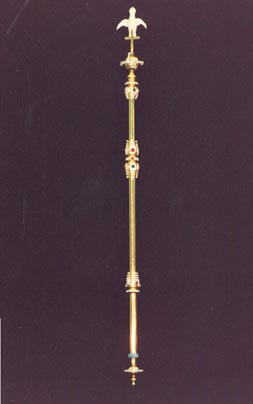
Card of the day: The Queen’s Sceptre with the Dove and Ivory Rod
Let’s examine two more of the items used in the Coronation—The Sceptre (Scepter) with the Dove and the Ivory Rod. These are depicted in the 1935 Silver Jubilee series of card by the Churchman Cigarette Company.
The Sceptre with the Dove (referred to also as the “Rod with the Dove” or the “Rod of Equity and Mercy”), like much of the Regalia, was originally made for the coronation of King Charles II in 1661. It is a gold rod with bands of gemstones which is surmounted by an orb supporting an enameled dove (a representation the Holy Ghost) with outstretched wings. The eyes, beak, and feet of the dove are of gold.
This sceptre symbolizes the spiritual authority of the Monarch. During the coronation, the Sovereign holds the Sceptre with the Dove in the left hand and the Sceptre with the Cross in the right as the Archbishop of Canterbury places St Edward's Crown on his or her head.
The next item is The Ivory Rod which is only used when the Monarch is a married male. In this instance, in the Queen's Consort 's left hand, The Ivory Rod is placed during the coronation. The rod is three and a half feel in length and is made of ivory joined together with bands of gold. The rod is surmounted by a golden orb which is richly enameled and topped by a cross on which rests a dove with closed wings.
Both of these rods can be seen in the Tower of London with the other Crown Jewels of Britain.
The Sceptre with the Dove (referred to also as the “Rod with the Dove” or the “Rod of Equity and Mercy”), like much of the Regalia, was originally made for the coronation of King Charles II in 1661. It is a gold rod with bands of gemstones which is surmounted by an orb supporting an enameled dove (a representation the Holy Ghost) with outstretched wings. The eyes, beak, and feet of the dove are of gold.
This sceptre symbolizes the spiritual authority of the Monarch. During the coronation, the Sovereign holds the Sceptre with the Dove in the left hand and the Sceptre with the Cross in the right as the Archbishop of Canterbury places St Edward's Crown on his or her head.
The next item is The Ivory Rod which is only used when the Monarch is a married male. In this instance, in the Queen's Consort 's left hand, The Ivory Rod is placed during the coronation. The rod is three and a half feel in length and is made of ivory joined together with bands of gold. The rod is surmounted by a golden orb which is richly enameled and topped by a cross on which rests a dove with closed wings.
Both of these rods can be seen in the Tower of London with the other Crown Jewels of Britain.
![]() |
| A Recent Stamp from the Royal Mail showing Both the Sceptre and the Rod. |
Object of the day, Museum Edition: A Beaded Tea Cozy, 1860
![]() |
| Beaded Tea Cozy England, 1860 The Victoria & Albert Museum |
This tea cozy was made around 1860 in London and is decorated with glass beads. This was made by an amateur embroiderer in the home for purposes of domestic use. Here, we see a design of roses and lilies on a bright blue ground. This sort of design and color palette is characteristic of Mid-Victorian decorative arts. This is the sort of cozy that would have been kept for special occasions and would have been used with the “best” silver or porcelain tea—reserved to impress special visitors or for use on important occasions.
Such beadwork was the height of fashion in the 1850s and 1860s and I’m a big fan of it. Beads were often used to adorn Victorian embroidered decoration on everything from fashion to upholstery and found use in a wide range of domestic items.
Most likely, the beads came from Germany or Italy where the glass industries produced and exported vast numbers of such beads in a brilliant variety of colors. The beads that we see here were known as :pound” beads because they were purchased by weight. These came in two popular types—bright opaque colors and translucent clear shades. Both can be seen utilized here.
New Comments Form!
Some of you have written to me that you've been unable to post comments the last few days. Blogger has been experiencing some problems with comments not functioning properly through Internet Explorer.
So, in order to make sure that your comments go through, I've changed our comments form to a new system. All you need to do, as you did before, is click "post a comment" at the end of the entry and you'll be taken to a new page wherein, on the right side of the screen, you'll have all manner of nifty options which will make this process much easier and more reliable for you.
That's the way to do it.
So, in order to make sure that your comments go through, I've changed our comments form to a new system. All you need to do, as you did before, is click "post a comment" at the end of the entry and you'll be taken to a new page wherein, on the right side of the screen, you'll have all manner of nifty options which will make this process much easier and more reliable for you.
That's the way to do it.
Subscribe to:
Posts (Atom)